
When Should You Trade In Your Car? Signs It’s Time
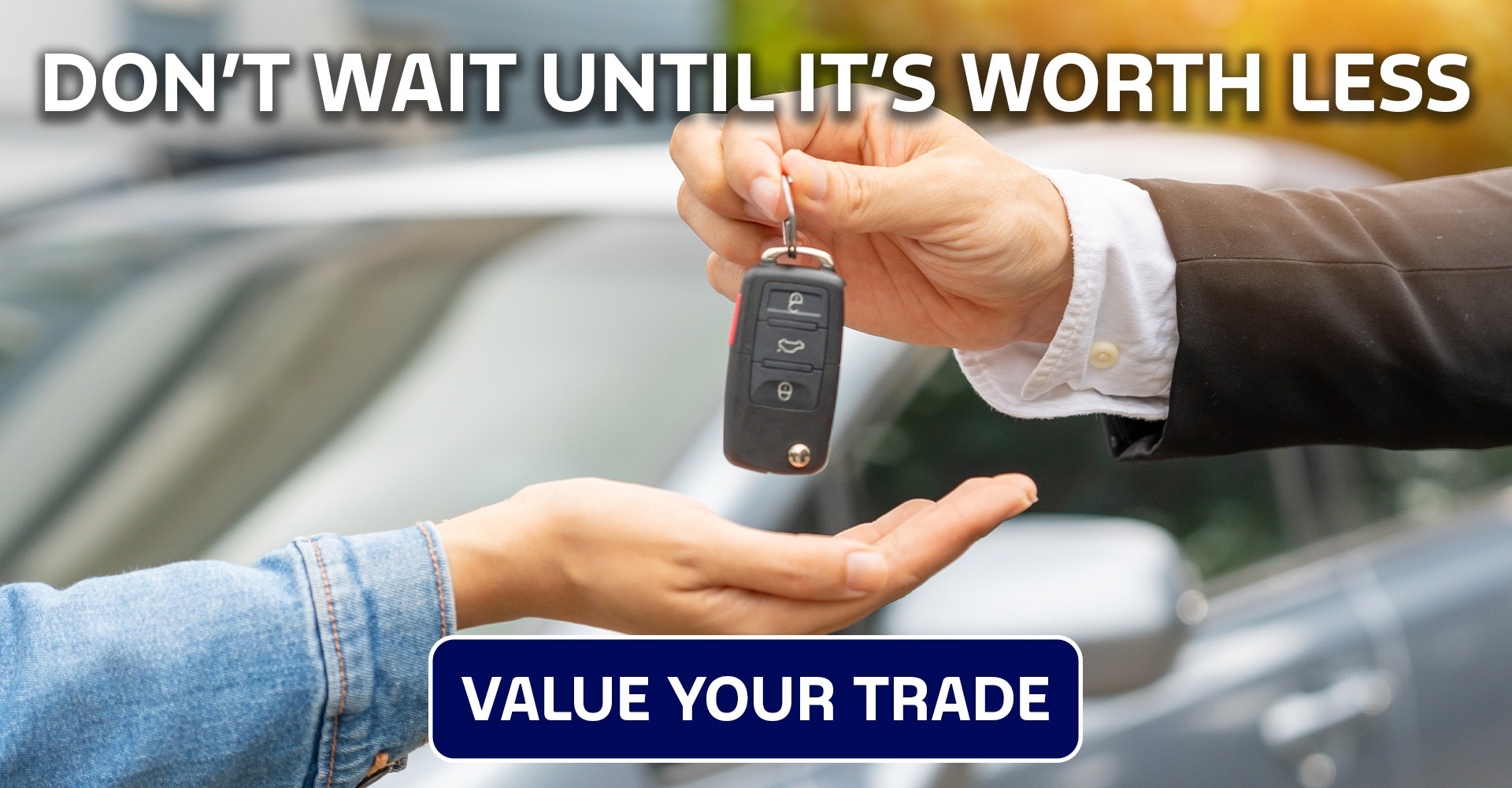
Is Your Car Past Its Prime?
Many drivers reach a point where keeping their current vehicle becomes more expensive, less practical, or simply less comfortable. For anyone wondering, “When should you trade in your car?” the answer usually comes down to costs, reliability, and whether the car still fits daily life. A smart vehicle trade-in decision is not based solely on age. It depends on repair costs, trade-in value, mileage, your loan balance, and how well the car matches your current needs. Keep reading to discover when it’s time to trade in your vehicle and how you can value your trade today at Preston Ford of Aberdeen.

Watch for Rising Ownership Costs
One of the clearest signs you should trade in your car is when ownership costs keep climbing. If routine service has turned into repeated visits for the engine, transmission, brakes, or electrical issues, your budget may be telling you it is time. A few repairs each year are normal, especially as a vehicle gets older. The problem starts when repair costs approach or exceed the car’s actual market value. If a major repair is coming soon, compare that bill with your estimated trade-in value. Spending thousands on an aging car rarely makes sense if that money could be used as a down payment on a more dependable replacement. Fuel efficiency matters too. If your current car burns more gas than newer options in its class, the long-term cost gap can become significant, especially for drivers with longer commutes.
Evaluate Reliability, Condition, and Mileage
High mileage does not automatically mean you need a different vehicle. Still, mileage often affects resale value, reliability, and the likelihood of expensive wear on critical systems.
Mechanical and Safety Warning Signs
Certain problems deserve extra attention because they affect both cost and confidence behind the wheel. If several of these are happening at once, the best time to trade in a car may be right now.
- Frequent engine trouble or recurring check engine lights
- Transmission slipping, delayed shifting, or harsh gear changes
- Brake issues that keep returning after service
- Rust, leaks, or suspension wear that affects drivability
- Outdated safety features compared with newer vehicles
Modern safety features can be a practical reason to move on from an older car. If your vehicle lacks helpful features such as Blind Spot Monitoring, Automatic Emergency Braking, or updated airbags, a trade may improve daily safety, peace of mind, and convenience.
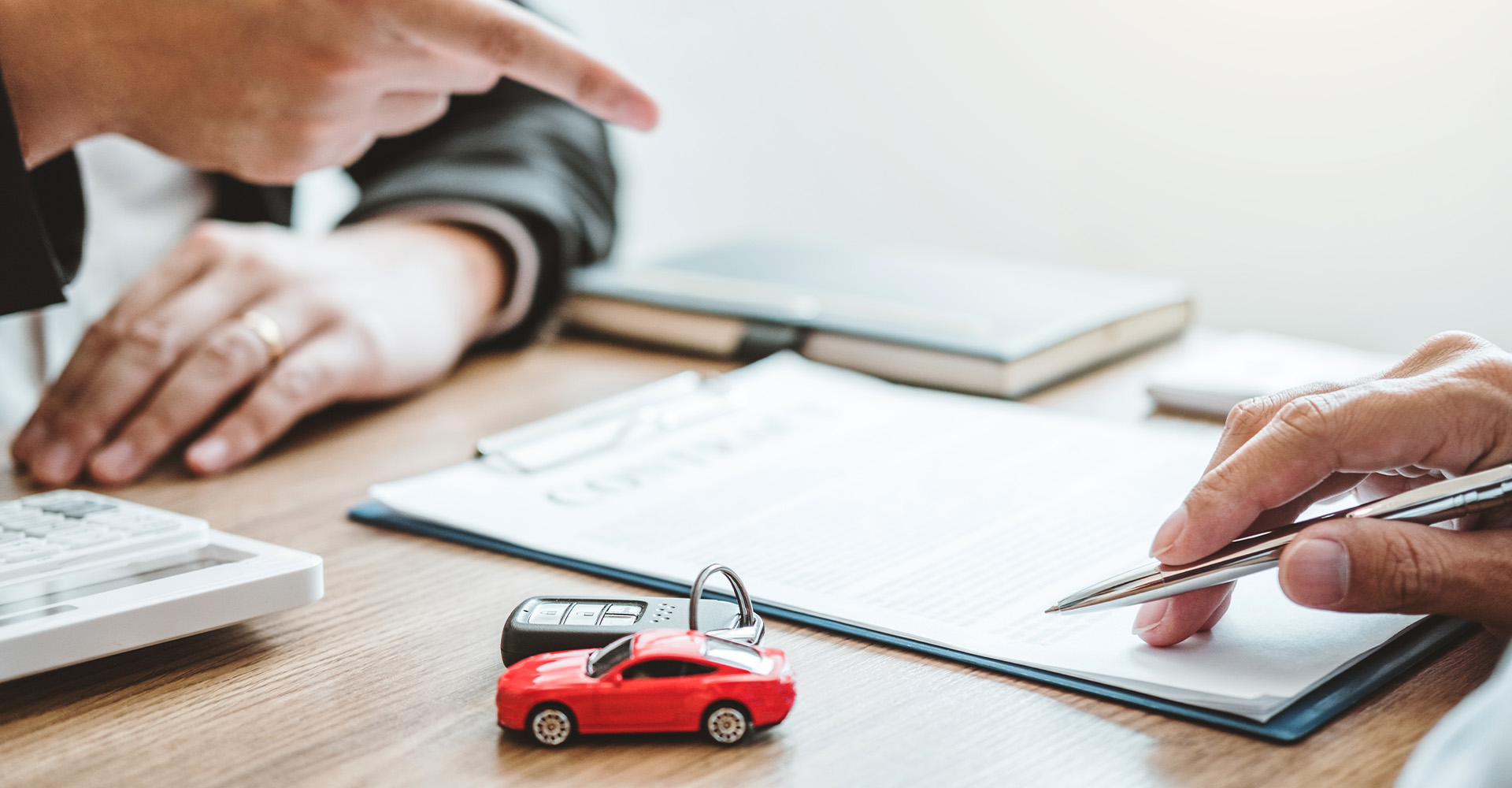
Cosmetic Wear Also Affects Value
Cosmetic details such as dents, interior wear, worn tires, cracked glass, and an inconsistent maintenance record can all influence the offer you receive. That does not mean every small imperfection needs to be repaired before trading in. Minor cosmetic issues are often not worth fixing. However, signs of visible neglect can affect how your vehicle is assessed and may lower its overall trade-in value.
Consider Timing, Equity, and Market Value
A good trade is often about timing as much as condition. If your car still runs well and retains decent value, trading before major problems arise can preserve more of that value. Check whether you have positive equity or negative equity. If your car is worth more than your loan balance, that difference can help lower the cost of your next vehicle. If you owe more than the car is worth, waiting may be smarter unless reliability has become a serious concern. Rolling negative equity into a new loan can make your next purchase more expensive than it needs to be.
When Market Conditions Favor A Trade
Used vehicle prices do not stay constant. If demand is strong for your type of car, truck, or SUV, dealerships may offer more competitive trade-in value than usual. Seasonality can matter as well. Fuel-efficient sedans and hybrids may attract more interest when gas prices rise, while all-wheel-drive vehicles often gain attention before winter in colder regions. It also helps to trade before a warranty expires, especially if your vehicle is nearing the end of bumper-to-bumper or powertrain coverage. Buyers and dealers often value vehicles more favorably when some warranty protection remains.
Ask Whether Your Car Still Fits Your Life
Sometimes the issue is not mechanical at all. Lifestyle changes are one of the most overlooked reasons people decide to trade. A growing family may need more space for car seats, strollers, or cargo. A new job with a longer commute may make fuel efficiency far more important than it was before. You might also need different capabilities. Someone who moved to a snowy area, started towing, or downsized to city driving may benefit from a vehicle that better matches those routines. If your current car no longer supports your day-to-day needs, holding onto it may create ongoing inconvenience and expense. In that case, when you should trade in your car becomes less about age and more about function.
Comparing a Trade-In with a Private Sale
Selling privately can sometimes fetch a higher price, but it usually involves more time, effort, and paperwork, such as listing the vehicle, answering buyer messages, arranging test drives, and managing the transaction yourself. Trading in at our dealership offers a simpler and more convenient experience. Our process is quick and straightforward. The value of your current vehicle can be applied directly toward your next purchase, and in many cases, you may also benefit from potential tax savings when you trade in rather than sell separately. A private sale may be worth considering if your vehicle is in excellent condition and you are comfortable spending extra time finding the right buyer. However, many drivers prefer the speed, convenience, and peace of mind that come with completing the entire process right here at our dealership.
How to prepare for the trade-in process
You do not need a perfect vehicle to get a fair offer. You do need preparation.
- Check your car’s estimated market value from multiple sources.
- Gather maintenance records, title information, and loan details.
- Clean the vehicle inside and out before appraisal.
- Know your loan balance so you understand your equity position.
- Get offers from more than one dealership if possible.
Doing this gives you a clear understanding of your vehicle’s value so you can negotiate with confidence rather than relying on guesswork.

Make the Decision with Numbers, Not Pressure
The best trade-in decisions come from looking at the full picture. Consider factors such as repair costs, mileage, warranty coverage, fuel efficiency, safety features, and your vehicle’s current trade-in value. It is also worth considering whether your current car still meets your daily needs and lifestyle.
If your vehicle is starting to require frequent repairs, becoming less reliable, or no longer meeting your needs, trading it in can be a smart next step. At Preston Ford of Aberdeen, our team can help you evaluate your vehicle, provide a fair trade-in value, and make the process simple so you can move forward with confidence and explore your next vehicle.
FAQs
How do I know when it’s time to trade in my car?
It may be time when repair costs keep rising, reliability drops, or the car no longer fits your needs. Expiring warranty coverage, major repairs, and positive equity are also common signs.
What is the 30-60-90 rule for cars?
The 30-60-90 rule suggests putting 30% down, choosing a loan of 60 months or less, and keeping total car costs near 10% of gross monthly income. It is a budgeting guideline designed to keep vehicle expenses manageable.
When not to trade in your car?
Avoid trading if you have heavy negative equity, low repair costs, or a dependable car that will be paid off soon. Keeping a reliable vehicle is often cheaper than replacing it too early.
Selling Your Car in Maryland: What To Know

Cash In Without the Chaos
Selling a car in Maryland involves several important steps to ensure a smooth, legal, and successful transaction. Whether you’re selling a used car privately or to our dealership, understanding the requirements and preparing your vehicle can make a big difference. By gathering the required documents, completing a Maryland safety inspection certificate if needed, and ensuring a proper title transfer, you’ll be well on your way to confidently finalizing the sale.
With the assistance of the Maryland Motor Vehicle Administration (MVA) and some preparation, selling your vehicle doesn’t have to be overwhelming. From understanding excise tax and sales tax to providing a notarized MVA bill of sale, following the correct procedures will help you attract potential buyers and complete the transaction successfully. Let’s explore the essential steps and details to help you navigate this process efficiently at Preston Ford of Aberdeen!
Essential Information for Selling Your Vehicle in Maryland
Key Details to Prepare Before You Start
Before selling your vehicle in Maryland, gather all of the required documents and information to ensure a seamless process. Start by locating the vehicle’s title and proof of ownership. These important documents verify your legal right to sell the car. If your car has a lienholder or any security interest filing, you will need to resolve these matters first. A lien release document may be required to show that the lienholder has no remaining financial interest in the vehicle.
For private sales, obtaining a Maryland safety inspection certificate is often mandatory. This ensures the car is safe and meets state standards. If you’re not sure about the title transfer process or temporary registration requirements, you can refer to the Maryland Motor Vehicle Administration (MVA) for guidance. Additionally, prepare any other required documents, such as a notarized MVA bill of sale, which records the transaction between you and the buyer. These preparations will save you time and effort when completing the sale.
Understanding Maryland MVA Processes
The Maryland Motor Vehicle Administration (Maryland MVA) plays a central role in facilitating vehicle sales. Whether you’re handling a private sale or trading in your car, you’ll likely need to interact with the Maryland MVA to complete key steps. If you’ve misplaced the vehicle’s title, you can apply for a duplicate title through the MVA. Submitting necessary forms, such as Form VR-181, will help ensure that the sale complies with state regulations.
Be prepared to pay certain fees during the transaction. These may include excise tax, registration fees, and sales tax, depending on the sale type. Another vital step is completing the odometer disclosure statement accurately. This document confirms the vehicle’s odometer reading at the time of sale, which is essential for both the buyer and the seller. Finally, make sure the new owner receives all the proper legal documents, including a signed title, to establish ownership of the vehicle.
Getting Your Car Ready for Sale
Maximizing Your Car’s Value and Appeal
To attract potential buyers and secure the best sale price, you should focus on maximizing your car’s value and appeal. Start by gathering service records and a detailed vehicle history report. These provide potential buyers with transparency and confidence about the car’s condition and maintenance history. Next, ensure your car is thoroughly cleaned inside and out to make a strong first impression. Fixing minor issues, such as scratches or worn-out tires, at our trusted automobile service center can also increase the car’s value.
Using tools like Kelley Blue Book or trade evaluation services can help you determine a fair value for your car based on its model year, condition, and other factors. Highlight the vehicle’s value in your advertisements, including details like its condition, mileage, and any recent upgrades. These steps will not only enhance the vehicle’s appeal but also help you land a better sale price.
Using Online Tools and Technology
Online tools and technology can make selling your car more efficient. Use pricing platforms to evaluate your car’s worth and ensure your asking price is competitive.
Choosing the Best Way to Sell Your Car
Private Sale vs. Selling to a Dealership
When deciding how to sell your car, you have a few options: a private sale, a dealership sale, or trading it in. A private sale typically yields a higher sale price, but it requires more effort on your part, such as advertising, handling inquiries, and coordinating with buyers. This option is ideal for those willing to invest the time to maximize the return on their used car. Selling to a dealership, on the other hand, offers convenience and speed. Dealerships often offer quick cash offers, saving you the hassle of negotiating with private buyers. If you’re planning to purchase another vehicle, a trade-in can be an excellent choice. It allows you to apply the car’s value directly toward the purchase price of a new or used vehicle from the dealership. Want to value your trade today? Get started here!
How Our Dealership Can Assist
At Preston Ford of Aberdeen, we strive to make the selling process as smooth and stress-free as possible. We offer a fair evaluation tool to accurately determine your car’s value, ensuring you get a competitive offer. Our team is here to guide you through every step of the process and answer any questions you may have. With years of experience serving customers, we have built a reputation for reliability and trust. Whether you’re selling your car outright or looking to trade it in, we’re here to provide the support and expertise you need for a successful transaction.
Required Documents and Legal Considerations
A Comprehensive Checklist of Important Documents
To complete the sale of your car in Maryland, you’ll need to gather several important documents. A signed title is essential, as it proves ownership of the vehicle. If there was a lien on the car, you must also provide a lien release document to show that the lienholder no longer has a financial interest in the vehicle. For private buyers, a Maryland safety inspection certificate is typically required to finalize the transaction. Other critical documents include an accurate odometer disclosure statement, vehicle registration, and forms such as Form VR-181. If you’re conducting a private party sale, a notarized MVA bill of sale is necessary to record the transaction details, including the purchase price. If the new owner needs temporary registration or new plates, you can guide them through the process to ensure compliance with Maryland MVA regulations.
Ready to Sell?
Selling your car in Maryland doesn’t have to feel overwhelming when you have the right preparation and the right partner. By organizing your documents, understanding MVA requirements, and choosing the sales route that best aligns with your goals, you can navigate the process with clarity and confidence. Whether you decide on a private sale or prefer the speed and simplicity of working with us at Preston Ford of Aberdeen, taking informed steps ensures a smooth transfer, proper paperwork, and maximum value for your vehicle. When you’re ready to cash in without the chaos, our team is here to make the final step the easiest one. If you have more questions about how to sell a car in Maryland or would like to get started on the process, reach out to us today!
Our Trade-In Process: Step By Step
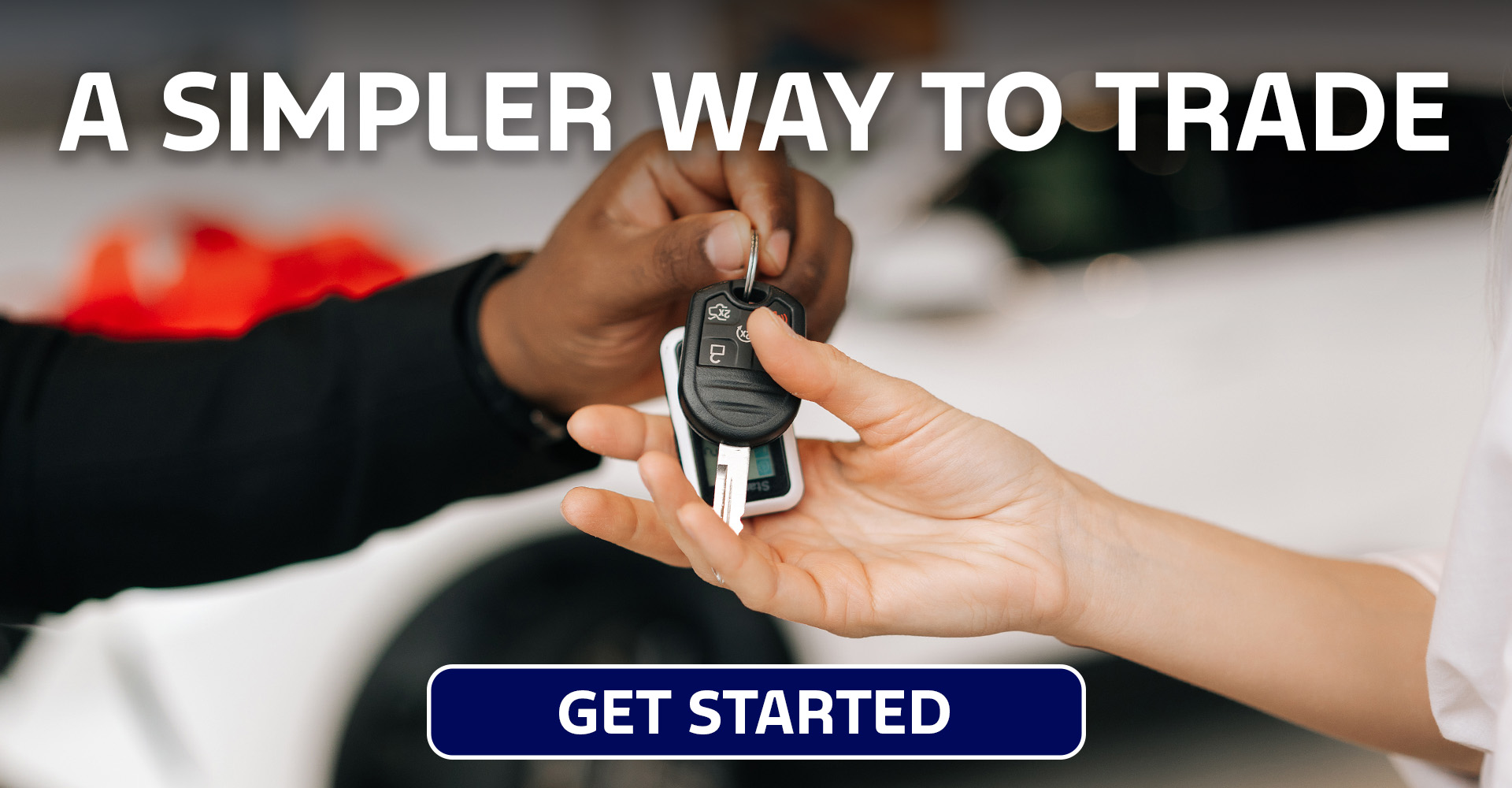
Turn Your Vehicle into Maximum Value
When it’s time to upgrade to a new ride, the car trade-in process can be a smarter choice for many car owners. Trading in your car offers a convenient way to apply the value of your current vehicle toward the price of the new car, reducing the overall cost. Unlike private sales, the trade-in process is designed to provide a stress-free experience while offering competitive trade-in prices based on your car’s condition and current market trends. Understanding the value of your car and navigating the typical trade-in process at dealerships can help you secure the best deal. With the right approach, you can enjoy significant savings, lower monthly payments, and even tax advantages when trading in your old car. Maximizing your vehicle’s trade-in value starts with knowing the steps involved. Keep reading to learn more about the car trade-in process at Preston Ford of Aberdeen and value your trade today!
Why Trading In Your Car Is a Good Idea
Trading in your car is often a good idea when you’re ready to switch to a new vehicle. It simplifies the process of selling your current car while allowing you to apply its value directly to the price of the new car. This can sometimes result in lower monthly payments and even significant savings through potential tax advantages, making it a smarter choice than other options. Unlike private sales, the trade-in process at Preston Ford of Aberdeen is streamlined and much less stressful. Instead of dealing with potential buyers, test drives, and negotiating the value of your car, a trade-in at our dealership provides a smooth process where we handle most of the work. If you’re looking for a quick, hassle-free way to sell your old car, trading it in might be the best way to go.
Benefits of the Trade-In Process Over Private Sales
The trade-in process offers several benefits over private party sales. First, it eliminates the challenges of finding and negotiating with potential buyers, ensuring a stress-free experience. Selling privately often involves extensive communication, such as emails or text messages, scheduling test drives, and possibly dealing with lowball offers. Trading in your car at our trusted dealership avoids all these complications. Another advantage is the quick access to your car’s trade-in value. Many car dealerships, including ours, provide instant appraisals, allowing you to know your vehicle’s value almost immediately. Lastly, the high demand for used vehicles in today’s market ensures that you can often receive competitive offers, especially if your car, truck, van, or SUV, is in good condition and well-maintained. These factors combine to make trading in your car an appealing and efficient option.

Step 1: Get an Estimate for Your Car’s Market Value
The first step in the car trade-in process is understanding your car’s market value. Before visiting our dealership or considering other selling options, it’s important to know how much your vehicle is worth. This will help you land a fair price and ensure you’re getting the best value for your trade-in.
Use Our Online Tools to Find the Best Trade-In Price
Our online tools are an excellent way to estimate your car’s trade-in value. These tools typically require you to enter your car’s details, such as the year, make, model, mileage, and overall condition. Based on this information, you will be provided an estimate of your car’s market value, taking into account current market trends and demand for similar vehicles. Using these tools, you can gain a clear understanding of the value of your trade before stepping into our dealership. This knowledge empowers you to negotiate confidently and ensures you’re not caught off guard by offers that may seem lower than expected. By starting with an online estimate of your vehicle, you’re better positioned to secure the best trade-in price for your current car. Additionally, our tools often highlight the vehicle’s trade-in value versus its private-sale value. This comparison helps you decide which selling option aligns best with your needs and priorities. Knowing your car’s value beforehand is a critical step to maximizing its value during the trade-in process.
Step 2: Flexible Selling Options for Your Current Vehicle
Once you know your car’s value, it’s time to consider your selling options. The process of trading in your car offers flexibility, allowing you to choose the best way to sell based on your preferences and needs. Whether you decide to go through our dealership or explore private party sales, the goal is to achieve a good deal while minimizing hassle.
Choose the Best Way to Sell Based on Your Needs
If you prioritize convenience and a quick sale, trading in your car at a dealership is likely the best choice. Our car dealership offers appraisals, providing you with an immediate offer for your vehicle. These options save you time and effort compared to the complexities of private sales. Alternatively, if you prefer to sell your car privately, you’ll need to invest more time. This involves creating a listing, responding to inquiries from potential buyers, and possibly scheduling test drives. Private sales can occasionally bring in a bit more money, but they often require extra time, effort, and uncertainty that many owners would rather avoid. Instead, let our team take care of the details, paperwork, and process from start to finish, so you can enjoy a smooth, stress-free experience. By evaluating all these choices, you can find the best way to sell your current vehicle while ensuring a fair deal.

Step 3: Professional Appraisals and Transparent Offers
When you bring your vehicle to our dealership for a trade-in, professional appraisals are conducted to determine its value. This step ensures that you receive a fair deal based on your car’s condition, features, and current market demand. Our dealership aims to provide a transparent process, making it easier for car owners to understand how their trade-in price is calculated.
How Dealerships Ensure a Fair Deal for Your Car
Our dealership’s appraisals typically begin with an inspection of your car’s condition. We look at factors such as mileage, exterior and interior wear, and whether there are any minor issues or signs of neglect. A well-maintained car in good condition will naturally fetch a better deal, as it requires less preparation for resale.
Your car’s features and market demand are also evaluated. Popular models or vehicles in higher demand may receive a more competitive trade-in credit. Conversely, cars with lower demand or those requiring significant repairs may be valued lower. When we consider your car’s trade-in value based on current market trends, we then provide an offer that reflects its actual worth in today’s market.
This transparent process ensures that you know how your car’s value is assessed. By understanding the steps involved in professional appraisals, you can feel confident about securing a fair price for your trade-in vehicle.
Maximizing Your Car’s Value and Handling Loan Payoffs
Maximizing your car’s trade-in value involves more than just knowing its market value. Taking proactive steps to prepare your vehicle and understanding the financial aspects of the trade-in process can help you get the best deal. Additionally, if your car has an existing auto loan, handling the remaining balance is an important part of the process.
Steps to Get the Best Deal and Manage Remaining Loan Balances
One way to maximize the value of your trade-in is to address any minor repairs or maintenance issues before bringing your car to the dealership. Providing maintenance records that show the car has been well cared for can also increase its perceived value. A clean, well-maintained vehicle is more likely to attract a higher offer than one with obvious signs of neglect.
When it comes to loan payoffs, understanding your equity position is crucial. Positive equity means your car is worth more than the remaining loan balance, allowing you to apply the difference as trade-in credit toward your next car. Negative equity occurs when the remaining loan balance exceeds your car’s value.
To ensure a smooth process, bring all necessary documents with you, including the vehicle title, current registration, proof of insurance, and any other required paperwork. Our dealership’s finance team will assist you with title transfer, loan payoff, and other financial details. By being prepared, you can streamline the process and focus on securing the best value for your trade-in.
Trade In Today for a Better Deal on Your Next Car
Trading in your car can make your new vehicle purchase more affordable by applying the value of your trade-in toward the price of the new car. Not only can this reduce the taxable amount, but it may also help you enjoy lower monthly payments, significant savings, and better financing options. With the right preparation and approach, trading in your car is a good idea for those seeking a smarter and more efficient way to upgrade. Whether you’re after a new ride or a used vehicle, the benefits of trading in your current car are clear. By following the steps outlined and working with our trusted team, you can ensure a smooth process and secure a fair deal. Start your trade-in journey today at Preston Ford of Aberdeen to enjoy the convenience and financial advantages it offers!
What Do Dealerships Look For When Trading In A Car?
How Do Dealerships Determine Trade-In Value?
When you decide to trade your car, understanding what dealerships look for can help you get the best deal. Car dealerships evaluate various factors to determine the car’s trade-in value, ensuring they make a fair offer while balancing their own profit margins. Knowing these factors can also guide you in preparing your vehicle to maximize its value.
The trade-in process involves assessing your car’s overall condition, market demand, and history to estimate the value of your trade. By addressing key elements such as service records, mileage, and minor repairs, you can enhance your car’s worth and negotiate confidently for a new vehicle or a fair price. Learn more about what dealerships look for when trading in a car by visiting Preston Ford of Aberdeen today!
Factors Dealerships Consider for Trade-Ins
Vehicle Condition and Maintenance
One of the first things car dealerships like Preston Ford of Aberdeen evaluate is the overall condition of your trade-in vehicle. Factors such as wear and tear, exterior body damage, and the interior’s cleanliness can significantly influence the car’s trade-in value. Minor issues like scratches, dents, or worn upholstery may lower the vehicle’s value, so addressing these before trading your car can result in a better offer.
Service records play a critical role in proving the vehicle’s maintenance history. A well-maintained car with regular oil changes, brake checks, and other routine services is more likely to fetch a higher trade-in value. Additionally, warning lights on the dashboard can be a red flag that dealerships look for when trading in a car. Ensuring all minor repairs are handled, and the car is in good working order will improve its appeal to potential buyers.
Vehicle Age, Mileage, and History
The age and mileage of your car are crucial factors in what dealerships look for when trading in a car. A vehicle with lower mileage typically commands a higher value because it suggests less wear and tear on the engine and components. Similarly, newer vehicles are often more attractive to car dealers due to updated technology and features. The trim level and additional features of your current vehicle can also impact its worth, as higher trims with premium features may fetch a better price.
Another essential consideration for what dealerships look for when trading in a car is the vehicle history report. Dealerships will review this report to check for any accidents, major repairs, or title issues. A clean vehicle history report can significantly boost your car’s value, whereas a record showing previous damage or consistent repairs may lower its appeal. Providing a detailed and transparent history of the car helps dealerships assess its condition accurately.

Market Conditions and Demand
Market demand is a major factor in determining the trade-in value of your car. Certain models are consistently in high demand and can command a higher value. Market data, including car prices and trends for similar vehicles, allows dealerships to gauge the value of your trade more effectively. For instance, during times when fuel prices are high, fuel-efficient vehicles tend to be more desirable, increasing their trade-in value.
Additionally, market conditions play a significant role in what dealerships look for when trading in a car. If the market is saturated with similar vehicles, your car may fetch a lower value due to the lack of exclusivity. Conversely, if there is a shortage of vehicles like yours, dealerships may offer a premium price to meet customer demand. Understanding these factors can help you time your trade-in for optimal value.
How Dealerships Value Trade-In Vehicles
Using Tools and Reports
To assess your car’s worth to find out what dealerships look for when trading in a car, Preston Ford of Aberdeen offers a reliable trade tool, which provides up-to-date market data on car prices. This helps you determine the trade-in value of your car based on its age, mileage, and condition. By comparing your vehicle to similar vehicles currently for sale, our financing department can arrive at a fair estimate for its market value.
The vehicle’s condition is a key factor in what dealerships look for when trading in a car. Everything from the exterior and interior to the mechanical condition is taken into account. The more details you provide about your car, the easier it is for dealerships to offer a competitive value. Keep in mind that trade-in vehicle values are also influenced by seasonal trends and regional market preferences.
Inspections and Test Drives
Before finalizing a trade-in offer, Preston Ford of Aberdeen conducts a thorough inspection of your car. This includes checking for body damage, warning lights, and other potential issues that could affect its resale value. A test drive is also necessary to evaluate the car’s handling, performance, and overall condition.
These inspections allow our car dealers to identify any hidden problems that might not be visible at first glance. For example, worn brakes, engine noises, or transmission issues discovered during a test drive can reduce the vehicle’s trade-in value. Being up front about any known issues and fixing minor problems beforehand can make a positive impression and potentially lead to a better offer.

Maximizing the Trade-In Value of Your Car
Preparation and Presentation
First impressions matter, and presenting your car in the best possible condition can make a big difference. Before visiting Preston Ford of Aberdeen, clean your car thoroughly, both inside and out. A well-maintained and polished vehicle is more likely to attract a higher value. Additionally, replacing worn parts, like new tires or broken lights, can improve the car’s appeal.
Having all your service records and documentation ready is another key step in what dealerships look for when trading in a car. A complete record of maintenance and repairs shows that the car has been well cared for. Addressing minor repairs, such as fixing scratches or dents, can also help enhance the vehicle’s value and increase your chances of getting a favorable trade-in offer.
Research and Negotiation
Before trading in your car, research the trade-in value of your car using online tools or guides. This will give you a realistic idea of what your vehicle is worth. Understanding market demand and car prices can also give you leverage during negotiations.
When negotiating, remember that dealerships factor in their own costs. Be prepared to discuss market conditions, the car’s features, and its overall condition to justify your asking price. Knowledge is power, and being well-informed will help you make confident decisions during the trade-in process.
Understanding Equity and Value
Equity plays a significant role in the trade-in process. If you owe less on your current vehicle than its trade-in value, you have positive equity, which can be applied toward the purchase of a new vehicle. On the other hand, negative equity occurs when you owe more than the car’s worth. In this case, you may need to roll the remaining balance into a new loan or pay it off separately.
Trading Your Car for a New Vehicle
Trading in your old car can simplify the process of buying a new ride and potentially reduce your monthly payments. Positive equity can lower the purchase price of your new vehicle, making it more affordable and easier to finance. Our team at Preston Ford of Aberdeen is skilled at helping you value your trade and navigate the paperwork to ensure a smooth transaction.
Whether you’re eyeing a specific model or just looking to upgrade, trading your car through a dealership is a convenient option. By preparing your vehicle and researching what dealerships look for when trading in a car, you can secure a fair price and drive away in a new vehicle with confidence.
Trading In A Financed Vehicle: How It Works
How To Trade In A Financed Car: Step-By-Step Guide
Trading in a financed car may seem like a complicated process, but with the right information and tools, it can be a smooth and efficient experience. Whether you’re upgrading to a new vehicle or looking for a more affordable option, understanding how to handle your current loan and trade-in value is essential. This guide from Preston Ford of Aberdeen will walk you through the process of trading in a financed car, including how to determine the value of your car, manage remaining loan balances, and work with our financing team to secure your next purchase. With these car-buying tips, you’ll be ready to make informed decisions for your next auto loan and vehicle selection. Visit Preston Ford of Aberdeen to get started today!
How Does Trading In a Financed Car Work?
Trading in a car with a loan involves a few key steps. First, you need to know the remaining loan balance on your financed vehicle. This amount will play a major role in determining whether you have positive or negative equity. Once you have this figure, you can proceed to evaluate the car’s trade-in value using tools like Kelley Blue Book or our dealership’s online trade tool. We’ll then assess the value of your trade-in order to give you a fair and competitive offer for your current car.
If the trade-in value exceeds your remaining loan balance, you have positive equity, which can be applied toward your next vehicle purchase. If the remaining amount on the loan is higher than the car’s trade-in value, you’ll need to address this negative equity. For example, if your car’s trade-in value is $10,000 but you owe $12,000, you have $2,000 in negative equity. This situation can complicate the trade-in process because the remaining balance must be accounted for, either through a new loan or an upfront payment. On the other hand, positive equity means your car is worth more than the remaining loan balance. For instance, if your car is valued at $15,000 and you owe $10,000, you have $5,000 in positive equity. This amount can significantly reduce the cost of your next car or be applied as a down payment toward your next purchase, lowering your overall loan amount and monthly car payments.

When Is Trading In a Financed Car a Good Idea?
Trading in a financed car is a good idea when it aligns with your financial goals and vehicle needs. For example, if you have positive equity, trading in can help you secure a new car loan with better terms or lower monthly payments. It’s also beneficial if you’re looking to upgrade to a newer, more reliable vehicle or downsize to save on costs.
However, if you have negative equity, it’s essential to evaluate whether rolling over the remaining balance into your next auto loan is financially viable. In some cases, waiting until your car’s trade-in value increases or paying down the loan further may be a smarter move. Consulting with Preston Ford of Aberdeen can help you determine the best course of action.
Can You Trade In a Car With Negative Equity?
Yes, you can trade in a car with negative equity, but it requires careful planning. Start by having your current vehicle appraised at our dealership and comparing the value to your remaining loan balance. If you find that you owe more than the car’s trade-in value, it’ll normally be applied to your next vehicle financing. But no need to stress, because Preston Ford of Aberdeen often has trade-in offers and other dealer incentives to help you in this situation, and get you the deal you’re most comfortable with.
Our friendly finance department is here to guide you on how to structure your next auto loan and manage higher monthly payments. In some cases, it may make sense to pay off part or all of the negative equity up front to avoid carrying it into your next loan. Your decision will depend on your financial situation, interest rate options, and the terms of the new loan. Contact our finance department to learn more.

Maximizing the Value of Your Trade-In Offer
To get the best trade-in offer for your used vehicle, it’s important to prepare it properly. Start by using tools like Kelley Blue Book and our dealership’s trade tool to determine the value of your car based on its make, model, condition, and trim level. A well-maintained car with popular features and upgrades will typically fetch a higher trade-in value. Addressing minor repairs, cleaning the interior and exterior, and ensuring the car is in good working condition will also improve its trade-in value. Even small efforts, such as replacing worn tires or fixing cosmetic damage, can make a difference. These steps will not only make your car more appealing to dealers but also boost its perceived value.
What to Expect at the Dealership
When you visit Preston Ford of Aberdeen, you’ll have the opportunity to explore a variety of new vehicles, used cars, and vehicle specials. From our comprehensive search tools that’ll help you find the ride that meets your preferences and budget to valuing your trade and scheduling service, we’ve got you covered. Our finance center will work with you to finalize your trade-in and arrange financing for your next car, while helping you understand your loan term and interest rate options. By discussing your needs with the finance team, you can ensure a smooth trade-in process and secure favorable terms for your next vehicle.
Essential Tips for Trading In Your Financed Car
Trading in a financed car doesn’t have to be overwhelming when you have the right approach. Start by assessing the value of your car and comparing it to your remaining loan balance. This will give you a clear picture of your financial position and help you make informed decisions. By preparing your car, exploring dealer offers, and consulting with our finance team at Preston Ford of Aberdeen, you can maximize your trade-in value and make your next vehicle purchase a success. Visit us in Aberdeen, MD, to get started today!
Should You Trade In Or Sell Your Car?

A Comprehensive Guide On Whether You Should Trade In Or Sell Your Car
If you’re wondering if you should trade in or sell your car, whichever you choose will be a significant decision, as it impacts the time, effort, and potential profit involved. Whether you’re upgrading to a new ride or simply looking to offload your current vehicle, understanding what options you have can help you make the right choice. Both trading in and selling privately have their unique advantages and challenges, and knowing what suits your situation best is crucial.
In this guide from Preston Ford of Aberdeen, we’ll explore everything you need to know about trading in vs. selling privately, factors that influence your car’s value, and practical steps to prepare your old car for a smooth transaction. By the end, you’ll have the information you need to secure the best deal and make a confident decision for your next vehicle. Visit Preston Ford of Aberdeen to get started today!
Trading In vs. Selling Your Car Privately: Pros and Cons
When it comes to parting with your old car, the decision to trade it in at a dealership or sell it privately can feel overwhelming. Both options offer distinct pros and cons, and the right choice depends on factors like your priorities, how quickly you need to sell, and the overall condition of your vehicle. Taking time to compare them can make it easier to decide which path makes the most sense for you.
Trading in your car at Preston Ford of Aberdeen is often the easiest and most convenient route, with one of the biggest advantages being the minimal effort required compared to selling privately. You simply bring your car to us, receive an instant offer that’s fair and competitive, and can often apply the value of your trade directly toward the purchase of your next vehicle. This can save you significant time and hassle. Another key benefit of trading in a car vs. selling is the sales tax savings. In many states, you’re only taxed on the price difference after your trade-in is applied, which can reduce the overall cost of your purchase. Additionally, dealerships handle much of the paperwork, including the title transfer and payoff amount if you still owe on an auto loan, making the process seamless.
Selling your car privately, on the other hand, offers the potential for a higher price. Private buyers are often willing to pay more than a dealership because they’re not looking to resell the vehicle for profit. This makes it a better financial option if your car is in good condition or is a high-demand model. You also have the freedom to set your own asking price and negotiate directly with potential buyers to secure a fair deal. However, selling privately requires extra effort. You’ll need to advertise your car, prepare it for test drives, and communicate with potential buyers. Additionally, you’ll handle all the necessary paperwork, including the title transfer, and provide maintenance records. While it takes more time and effort, the financial payoff can be worth it for those willing to put in the work.
Factors That Impact Your Car’s Value
Whether you decide to trade in or sell privately, understanding what affects the value of your car is critical. Many factors come into play, including your car’s condition, market trends, and even its location. Taking the time to evaluate these elements can help you secure the best price for your old vehicle.
Your car’s condition plays a major role in determining its resale value. A vehicle in good condition with minimal wear and tear will typically fetch a higher price. Completing minor repairs, such as fixing dents or replacing worn tires, can further increase your car’s value. Additionally, having maintenance records on hand shows potential buyers or dealerships that the car has been well cared for, which can justify a higher price. A clean title is another crucial factor. Cars with salvage titles or unresolved liens often sell for significantly less. Ensuring your car has a clean title and is free of any legal complications will make the transaction smoother and more appealing to buyers. This is especially important for securing a fair price, whether you’re trading in or selling privately.
Aside from the car’s condition, other data points also play a role in determining its value. For example, market value is often influenced by Kelley Blue Book values, which take into account factors such as a car’s age, mileage, and overall market demand. Checking these values can give you a better understanding of what your car is worth. Location is another key factor. Cars in certain zip codes may command higher prices due to local demand or climate conditions. For instance, vehicles with all-wheel drive might be more valuable in snowy regions. Additionally, providing the vehicle identification number when obtaining an appraisal ensures the accuracy of the information, helping you get the best offer possible. All of these factors are streamlined when you visit Preston Ford of Aberdeen for a thorough appraisal.

Preparing Your Old Car for Trade-In or Private Sale
Proper preparation is essential when selling or trading in your car. Whether you’re working with our dealership or private buyers, taking the right steps ahead of time can help you secure the best trade deal and avoid unnecessary complications. From ensuring your paperwork is in order to addressing the car’s condition, preparation is key to a successful transaction.
If you’re planning to sell your car privately, start by making sure the title transfer process will be straightforward. Having a clean title and addressing any outstanding issues beforehand can save time and build trust with potential buyers. Gather all necessary documents, such as auto insurance and maintenance records, to reassure buyers about the car’s history. It’s also a good idea to schedule service for any minor repairs that could increase the car’s value. Fixing small issues like scratches or replacing worn-out parts can make a big difference in the sale price. A well-maintained car in good condition is more likely to attract serious buyers and justify a higher asking price. It sounds like a lot of work to just sell your car, which is why Preston Ford of Aberdeen is there to take care of everything for you and make sure you’re getting the most competitive value for your trade.
For those opting to trade in their car at our Ford dealer in Aberdeen, certain steps can help you get the best price. Start by providing accurate information about the payoff amount if you still have negative equity on an auto loan. Being up front about this information allows the dealership to calculate a fair trade-in price. When you visit us, bring all necessary paperwork, including the vehicle title, license plate, and any basic information about the car. You might also consider requesting an online offer in advance to get an idea of your car’s value before heading to the dealership. This ensures you’re well prepared to negotiate and secure a real offer on your vehicle.
Making the Best Choice for Your Next Vehicle
Deciding whether to trade in or sell your car privately ultimately depends on your personal finance goals and how much extra cash you hope to gain. If convenience and sales tax savings are your priority, trading in at Preston Ford of Aberdeen might be the right choice. However, if securing a higher price is more important, selling privately could be the better option, but you’ll have to be mindful of a lot more factors than if you traded with us. These include applicable tax savings, the value of your vehicle, and the reasonable effort required for each option. By evaluating your priorities and doing the necessary preparation, you can make a confident decision that aligns with your needs and ensures a smooth transition to your next vehicle. At Preston Ford of Aberdeen, we’ll put your goals first to ensure you have a streamlined trading process while getting the best deal. Visit us to get started today!
Ready Set Ford
A New Era for the Blue Oval
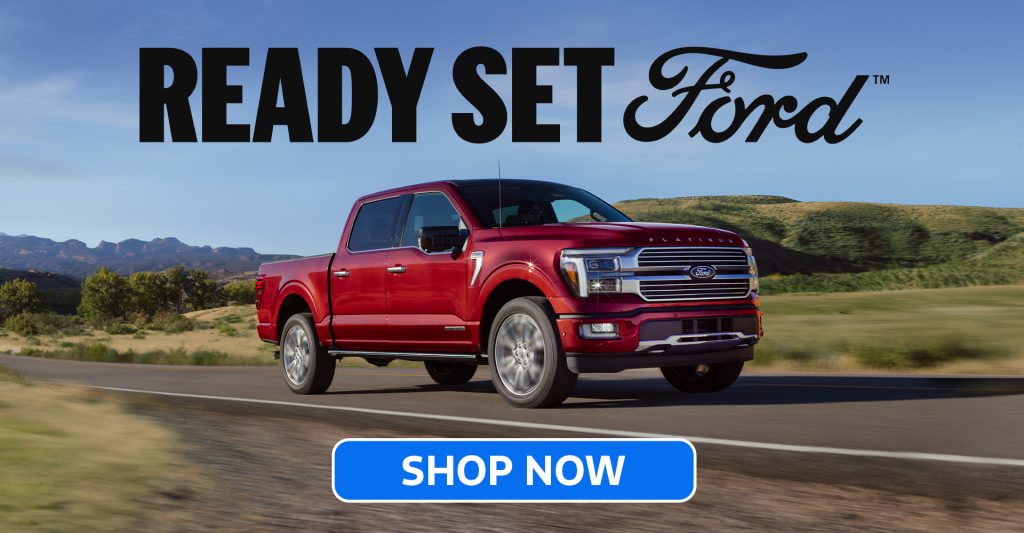
Ford Motor Company is entering a bold new chapter, and Preston Ford of Aberdeen is excited to share what it means for our customers. The new global advertising platform, Ready Set Ford, is more than just a fresh look—it’s a strategic shift designed to connect with drivers in new and inspiring ways.
What is “Ready Set Ford”?
“Ready Set Ford” is Ford’s new advertising platform, built on the foundation of capability, passion, community, and trust. It’s designed to celebrate not only what Ford vehicles can do, but what they empower you to do.
This rebrand focuses on three key shifts:
- Highlighting Our Strengths – Ford’s legacy of strength, innovation, and trust remains front and center.
- Empowering Customers – The campaign celebrates the lifestyles Ford enables: building businesses, chasing thrills, and seeking adventure.
- Leading With What You Love – Expect more focus on the Ford vehicles and services that customers are most passionate about, from trucks to SUVs to performance icons.
Why It Matters
At its heart, Ready Set Ford is about you—the driver. Whether you’re pushing limits with a Ford Bronco, building your business with a Ford F-150, or heading out for family adventures in a Ford Explorer, this rebrand is about helping you live your best days behind the wheel.

Experience It First
The Ready Set Ford campaign officially launches during Thursday Night Football when the Washington Commanders take on the Green Bay Packers at 8:15 p.m. EDT on Sept. 11, 2025. It’s the first step in a global rollout that redefines how Ford connects with its drivers.
Visit Preston Ford of Aberdeen
As your local Ford partner, Preston Ford of Aberdeen is proud to bring this new era to life. Stop by our showroom to see the latest Ford lineup and experience firsthand how Ready Set Ford is shaping the future of driving.
Ready. Set. Ford.
Off-Road Showdown: Ford Bronco vs. Jeep Wrangler

Choose Your Off-Road Rider
When the path ahead turns rocky, muddy, or downright unpredictable, two legendary names rise to the occasion: the Ford Bronco vs. Jeep Wrangler. Both are iconic off road vehicles known for their adventure-ready design and trail dominance. These off-road SUVs are built to conquer the elements with bold styling, robust capability, and trail-tested tech. Whether you’re choosing your first adventure vehicle or upgrading to a more rugged ride, this head-to-head comparison will help you determine which 4×4 is the better fit for your lifestyle. Read on for a full breakdown of Ford Bronco vs. Jeep Wrangler specs, dimensions, reliability, and safety—and discover why more adventurers are choosing the Ford Bronco. Ready to take the wheel? Visit Preston Ford of Aberdeen to test drive your favorite Ford Bronco trim.
Design & Presence: Modern Heritage Meets Classic Ruggedness
The Ford Bronco is a modern icon rooted in legendary off-road history. From its removable doors and roof to its wide stance and available Sasquatch® Package, every inch is engineered for the trail. It’s bold, boxy, and built with purpose, featuring easy-to-clean surfaces, washable floors (on select trims), and adventure-ready gear like front tow hooks and integrated trail sights. The Ford Bronco is available in both two-door and four-door versions, offering flexibility for different needs. Notable trims like the Ford Bronco Badlands® add unique design elements and enhanced off-road capability. The Ford Bronco’s off-road readiness is further supported by its beadlock-capable wheels, while its interior features include modern tech, comfortable seats, and supportive front seats for long journeys. Standard features across the lineup ensure value and convenience for buyers.
The Jeep Wrangler leans into its heritage with a familiar upright shape, removable doors, and fold-down windshield. A soft top is standard on many Jeep Wrangler models, with hard top options also available. Jeeps have maintained their iconic design since their roots in World War II, and Jeep Wranglers continue this legacy with a simple, durable four-wheel-drive ethos. While undeniably rugged, the Jeep Wrangler’s design can sometimes favor tradition over daily practicality. The Jeep Wrangler is also offered in both two door and four-door versions, providing options for cargo space and passenger needs. Its off-road capability is enhanced by specialized wheels, and the interior offers practical seats and comfortable front seats. When comparing the two, both the Ford Bronco and Jeep Wrangler come with a strong list of standard features, but the Ford Bronco offers the same open-air freedom with refined details and more thoughtful integration of modern tech.
Power & Performance: Ford Bronco vs. Jeep Wrangler Specs
Under the hood, the Ford Bronco offers a choice of engines designed to balance power and performance:
- 2.3L EcoBoost® I-4: 300 horsepower, 325 lb.-ft. of torque (with premium fuel)
- 2.7L EcoBoost® V6: 330 horsepower, 415 lb.-ft. of torque (with premium fuel)
- Available 10-speed automatic transmission or 7-speed manual transmission (with crawler gear)
- Standard 4×4 with available advanced 4×4 and automatic on-demand engagement
Throttle response in the Ford Bronco is quick and responsive, providing strong acceleration and confident handling both on and off the road.
The Jeep Wrangler brings a wider variety of powertrains, including:
- 2.0L Turbo I4, 3.6L V6, 6.4L V8 (Rubicon 392), and plug-in hybrid 4xe
- Manual transmission and automatic transmission options
- Rock-Trac® and Command-Trac® 4×4 systems
Throttle control in the Jeep Wrangler is tuned for off-road precision, but also delivers solid on-road performance. When it comes to fuel economy, the Ford Bronco achieves an EPA-estimated 20 MPG city and 22 MPG highway with the 2.3L engine and manual transmission, while the Jeep Wrangler offers up to 22 MPG city and 24 MPG highway with its 2.0L Turbo I4. These ratings highlight each model’s efficiency in both city driving and highway conditions, helping drivers manage long-distance trips and overall fuel costs. While the Jeep Wrangler’s engine variety is impressive, the Ford Bronco delivers high performance right from the start, without requiring expensive upgrades.
Off-Road Titans: Ford Bronco Raptor® vs. Jeep Wrangler Rubicon
For serious off-roaders, the Ford Bronco Raptor® and the Jeep Wrangler Rubicon represent the pinnacle of factory-built trail dominance. Each SUV brings its own flavor of extreme off-road engineering, but they approach the wild in different ways.
The Ford Bronco Raptor® comes equipped with:
- 37-inch all-terrain tires—the largest standard tires in its class—for aggressive ground clearance
- A HOSS 4.0 suspension system with FOX™ Live Valve internal bypass dampers, designed for high-speed desert runs and rock crawling alike
- Advanced 4×4 system with a high-performance off-road stability suspension
- Unique Raptor-®specific G.O.A.T. Modes™ (Goes Over Any Terrain) for dialing in traction, throttle, and steering response
- Heavy-duty bash plates and reinforced underbody protection
- Wider track and upgraded axles for added stability on uneven terrain
The Jeep Wrangler Rubicon delivers legendary off-road capability with:
- The Rock-Trac® 4×4 system and a 4:1 low-range gear ratio, ideal for slow-speed crawling over technical obstacles
- Front and rear locking differentials and an electronic sway bar disconnect for maximum articulation
- 33-inch all-terrain tires (35-inch tires available with the Xtreme Recon Package)
- Steel bumpers, skid plates, and rock rails for added trail protection
- Off-Road Plus mode for improved performance in sand and rock environments
While the Jeep Wrangler Rubicon remains a favorite for traditional rock crawling with its tried-and-true hardware, the Ford Bronco Raptor® pushes boundaries with cutting-edge suspension tech, broader stance, and massive tires that come standard. The Bronco Raptor® is built to handle high-speed off-road action without sacrificing slow-speed precision, making it a more versatile off-road weapon right out of the gate.
Both are engineered to dominate the trail—but if you’re after modern off-road tech, unmatched suspension travel, and Baja-ready muscle, the Ford Bronco Raptor® leads the charge.
Size & Dimensions: Ford Bronco vs. Jeep Wrangler Dimensions
Need space for gear, friends, or furry companions? Here’s how these two SUVs stack up in terms of interior space, cargo capacity, and cargo room:
Ford Bronco Dimensions (four-door versions):
- Wheelbase: 116.1 in.
- Overall Length: 189.4 in.
- Max Cargo Volume: 77.6 cu.ft.
- Max Ground Clearance: 11.6 in.
Jeep Wrangler Dimensions (four-door versions):
- Wheelbase: 118.4 in.
- Overall Length: 188.4 in.
- Max Cargo Volume: 72.4 cu.ft.
- Max Ground Clearance: 12.9 in. (Rubicon)
When it comes to interior space, Ford Broncos provide more cargo room and greater cargo capacity than the Jeep Wrangler, especially in the four-door versions. Folding down the second row and rear seats in the Ford Bronco significantly increases cargo space, making it more versatile for hauling larger items or extra gear. While the Jeep Wrangler has slightly more ground clearance on certain trims, the Ford Bronco offers more cargo space and a tighter turning radius, which comes in handy during both trail maneuvers and tight parking spots.
Comfort & Everyday Usability: Ford Bronco Outer Banks® vs. Jeep Wrangler Sahara
Looking for a balance of ruggedness and refinement? Compare the Ford Bronco Outer Banks® vs. Jeep Wrangler Sahara.
The Ford Bronco Outer Banks® brings upscale features like:
- Leather-trimmed seating
- 12-inch touchscreen infotainment system with SYNC® 4, featuring Android Auto integration
- Ford Co-Pilot360™ and available advanced safety package with driver-assistance technologies
- Optional B&O® Sound System by Bang & Olufsen® (Olufsen sound system) as a premium audio option
- Available heated steering wheel and power adjustable seats for enhanced driver comfort
The Jeep Wrangler Sahara offers:
- Available leather-trimmed seating
- 12.3-inch Uconnect® 5 infotainment system with Android Auto
- Optional Alpine® premium audio system
- Available safety tech and advanced safety package at higher trims
- Available heated steering wheel and power adjustable seats
Both models provide a more premium experience, but the Ford Bronco Outer Banks® delivers more comfort and tech as standard, making it a better value for the driver in everyday driving.
Safety First: Jeep Wrangler vs. Ford Bronco Safety
Safety matters when venturing off the beaten path or commuting to work. The Ford Bronco comes equipped with standard Ford Co-Pilot360, which includes:
- Pre-Collision Assist with Automatic Emergency Braking
- Blind Spot Information System (BLIS®) with Cross-Traffic Alert
- Lane-Keeping System
- Rear View Camera with Backup Assist Grid Lines
- Blind Spot Monitoring
- Forward Collision Alert
- Automatic high beams
- Braking Assist
For those seeking even more protection, the Ford Bronco’s advanced safety package is available as an upgrade. This package adds features like Adaptive Cruise Control and enhances the Ford Bronco’s safety suite for greater peace of mind.
The Jeep Wrangler offers comparable safety features, but many are only available as add-ons or on higher trims. When comparing Jeep Wrangler vs. Ford Bronco safety, the Ford Bronco comes out ahead with better standard coverage.
Reliability & Real-World Use
Ford Bronco vs. Jeep Wrangler reliability is a key consideration for long-term ownership. The Ford Bronco benefits from modern powertrains, updated chassis design, and advanced diagnostics, making it a solid choice for both new and seasoned off-roaders. Both vehicles are especially popular among weekend warriors who seek adventure and off-road fun during their outdoor getaways. The Jeep Wrangler has a long-standing legacy, but also a reputation for frequent repairs and lower predicted reliability scores.
Final Thoughts: The Ultimate Off-Roader
Both the Ford Bronco and Jeep Wrangler are built to explore. But when you compare Ford Bronco vs. Jeep Wrangler specs, reliability, safety, and features, the Ford Bronco offers a more balanced blend of capability and comfort. From the tech-savvy Ford Bronco Outer Banks® to the wild and trail-ready Ford Bronco Raptor®, there’s a model for every kind of adventurer. For those seeking the ultimate off-road beast, the Ford Bronco Raptor® stands out as the top-performance trim in the Ford Bronco lineup, delivering unmatched power and advanced off-road features.
Ready to See for Yourself?
Stop by Preston Ford of Aberdeen today to explore the full lineup of Ford Bronco trims, compare features, and find your perfect off-road SUV. Adventure starts here—choose the Ford Bronco.

Compact SUVs: Ford vs. Jeep
When it comes to compact SUVs, two models consistently rise to the top of shoppers shortlists: the Ford Bronco Sport vs. the Jeep Compass. Both offer a dynamic blend of on-road comfort and off-road readiness, making them ideal for adventurous drivers who also need practicality for everyday use. But when it comes down to it, which compact SUV truly reigns supreme? Let’s dive into a side-by-side comparison and see how the Ford Bronco Sport vs. Jeep Compass match up in design, capability, performance, and value. Visit Preston Ford of Aberdeen to shop our latest Ford Bronco Sport inventory today!
Introduction to Compact SUVs
Compact SUVs strike the perfect balance between city-savvy maneuverability and weekend-warrior spirit. The Ford Bronco Sport and Jeep Compass are two standout models in this competitive segment, delivering adventure-ready capability without sacrificing comfort, safety, or efficiency. Whether you’re commuting downtown or blazing a trail in the wilderness, these SUVs promise versatility with personality.
Vehicle Design and Features
The Ford Bronco Sport proudly leans into its rugged roots with bold Bronco-inspired styling. From its safari-style roof to the iconic front grille and modern LED lighting, it looks ready for action—and it is.
The Jeep Compass, on the other hand, offers a sleeker, more urban design. It sports Jeep’s signature seven-slot grille, aggressive angles, and available roof rails that give it a contemporary edge.
Both SUVs offer a wide range of trims, exterior colors, and wheel options—but if you’re drawn to a more off-road ready and athletic aesthetic, the Ford Bronco Sport is the clear favorite.
Interior Features
Step inside the Ford Bronco Sport, and you’ll find a space designed for comfort and utility. With up to 65.2 cu.ft. of cargo space, rubberized flooring, and available hidden storage compartments, it’s engineered for weekend trips, grocery runs, and everything in between.
Notable interior features in the Ford Bronco Sport include:
- SYNC® 4 with a 13.2-in. touchscreen
- Wireless Apple CarPlay® and Android Auto™
- Available B&O® Sound System by Bang & Olufsen®
- Power moonroof
- Wireless charging pad
- Ford Co-Pilot360™ Assist+ now standard
The Jeep Compass offers a more utilitarian interior design, focusing on simplicity and functionality. It includes modern tech like Uconnect®, but overall, it lacks some of the intuitive design and premium upgrades that come standard or are optional in the Ford Bronco Sport.
Off-Road Capability and Performance
The Ford Bronco Sport is born for adventure, with standard 4×4, a class-exclusive Terrain Management System™ with up to seven G.O.A.T. Modes™, and available off-road suspension tuning. Whether you’re on mud, sand, snow, or rocky trails, the Ford Bronco Sport is more than capable.
The Jeep Compass also delivers respectable off-road prowess with its Selec-Terrain® Traction Management System, available Trailhawk® trim, and all-weather tires. However, its overall ground clearance and approach angles fall short compared to the Ford Bronco Sport’s more adventure-focused build.
Engine and Transmission
The Ford Bronco Sport offers two engine options:
- A 1.5L EcoBoost® engine with 181 horsepower and 190 lb.-ft. of torque
- An available 2.0L EcoBoost® engine with 250 horsepower and 277 lb.-ft. of torque, paired with an 8-speed automatic transmission
The Jeep Compass comes with a 2.0L turbocharged engine producing 200 horsepower and 221 lb.-ft. of torque, paired with an 8-speed automatic transmission. It’s a solid performer, but in terms of power and responsiveness, the 2.0L Ford Bronco Sport wins. Both vehicles offer multiple drive modes for enhanced performance and fuel economy.
Safety and Reliability
The Ford Bronco Sport and Jeep Compass are neck and neck when it comes to safety. Both boast impressive safety tech and have earned high safety ratings from the National Highway Traffic Safety Administration (NHTSA).
The Ford Bronco Sport includes:
- Ford Co-Pilot360™ Assist+ suite (standard)
- Lane-Keeping System
- Blind Spot Monitoring
- Rear Cross-Traffic Alert
- Automatic Emergency Braking
The Jeep Compass matches features like Adaptive Cruise Control and Forward Collision Warning, but the Ford Bronco Sport’s intuitive driver-assist system and newer tech edge it forward in this category.
Reliability and Durability
Built on the same platform as the proven Ford Escape but upgraded with adventure in mind, the Ford Bronco Sport is engineered with high-quality materials and thoughtful craftsmanship. The Jeep Compass also has a reputation for reliability, though historically, Ford’s build quality and long-term durability give it a slight edge.
Towing and Fuel Economy
Towing Capacity
- Ford Bronco Sport: Up to 2,200 lbs., or up to 2,700 lbs. with the 2.0L engine and proper equipment.
- Jeep Compass: Tows up to 2,000 lbs.
Both models can haul small trailers, boats, or gear for weekend getaways, but the Ford Bronco Sport’s higher towing capacity makes it more versatile for those who need a little extra pull.
Fuel Efficiency
Fuel economy is similar between the two, though specific numbers vary depending on engine size and trim level. The Ford Bronco Sport balances power and efficiency well, especially with its EcoBoost® engine options.
Final Verdict: Ford Bronco Sport Wins
When evaluating the Ford Bronco Sport vs. Jeep Compass, it’s clear the Ford Bronco Sport offers more in terms of design, performance, technology, and versatility. It combines modern comfort with true off-road DNA, making it a compact SUV that doesn’t compromise. If you’re looking for a vehicle that can handle your daily drive just as well as your weekend escapes, the Ford Bronco Sport is the ultimate compact SUV for drivers who crave adventure.
Ready to Take the Next Step?
Visit Preston Ford of Aberdeen today to test drive the Ford Bronco Sport and experience the difference for yourself. With unbeatable style, technology, and capability, this is the compact SUV that’s ready when you are. Explore our current inventory and discover your perfect Ford Bronco Sport now!

Diving into the Ford Bronco Sport vs. Jeep Wrangler Specs
When it comes to tackling rugged trails and navigating city streets with equal confidence, two names dominate the conversation: the Ford Bronco Sport vs. Jeep Wrangler. These two off-road SUVs are engineered to handle challenging terrain while offering their own unique appeal. Whether you’re a weekend warrior heading into the wild or a commuter looking for capability and comfort, this comparison dives into everything you need to know, from specs to performance, to decide which vehicle reigns supreme. Keep reading to see what makes the Ford Bronco Sport so special and head to Preston Ford of Aberdeen to test out the winner!
Heritage and Design
The Ford Bronco Sport is a modern SUV infused with heritage charm. Its boxy silhouette, rugged stance, and purposeful features like roof rails and flip-up rear glass make it equally at home downtown or deep in the backwoods. While it may not have the long history of its big sibling, the original Bronco, the Ford Bronco Sport is a nod to the past with technology for today.
The Jeep Wrangler, meanwhile, embraces its legacy with a body-on-frame construction, removable doors, and a fold-down windshield. These features speak to a true off-road culture—but may come at the expense of daily comfort and fuel economy. The Ford Bronco Sport, with its unibody construction, offers smoother on-road performance and superior fuel efficiency, making it an excellent dual-purpose vehicle.
Engine Options
Under the hood, the Ford Bronco Sport offers:
- A 1.5L EcoBoost® engine delivering 180 horsepower and 190 lb.-ft. of torque
- An available 2.0L EcoBoost® engine with 250 horsepower and 277 lb.-ft. of torque
These engines strike a balance between power and fuel efficiency, making the Ford Bronco Sport ideal for both urban commuting and outdoor adventures. The Jeep Wrangler offers a wider variety of engine choices—from a 2.0L turbocharged inline-4 to a powerful V6 and even a plug-in hybrid (4xe). While this variety caters to different needs, it also means higher trims and more expensive packages for similar capability.
Off-Road Performance
The Ford Bronco Sport shines with features like:
- Advanced four-wheel drive
- Terrain Management System™ with G.O.A.T. Modes™
- Trail Control™ for low-speed trail driving
Its eight-speed automatic transmission ensures smooth shifting across both paved and unpaved surfaces.
The Jeep Wrangler is built for ruggedness with:
- A solid front axle
- Disconnecting sway bars
- Rock-Trac® and Command-Trac® 4×4 systems (depending on trim)
While the Jeep Wrangler is clearly tailored for extreme off-roading, the Ford Bronco Sport holds its own on rough terrain—and does so with greater comfort and ease for everyday drivers.
Off-Road Capability
Both vehicles offer serious off-road capability, but in different ways.
The Ford Bronco Sport features:
- Up to 8.8 in. of ground clearance
- Available locking rear differential
- High approach and departure angles
The Jeep Wrangler, especially in higher trims, takes capability to the next level with lift kits, larger tires, and up to 10.8 in. of ground clearance. However, these upgrades often require additional investment.
Fuel Economy and Specifications
Fuel economy is a key differentiator when comparing Ford Bronco Sport vs. Jeep Wrangler Specs:
- Ford Bronco Sport: Up to 25 MPG city / 30 MPG highway
- Jeep Wrangler: Around 20 MPG city / 22 MPG highway
If your lifestyle includes commuting, road trips, and off-road fun, the Ford Bronco Sport’s better efficiency makes it a practical choice.
Comparison of Features
Both SUVs offer an impressive array of features:
- Ford Bronco Sport: LED headlights, roof rails, Ford Co-Pilot360™, and available 8-inch touchscreen
- Jeep Wrangler: Trail-ready gear, optional LED lights, and available Uconnect® infotainment
However, the Ford Bronco Sport’s comfort-focused features—like a smoother ride, noise insulation, and intuitive tech—make it a better everyday vehicle.
Ford Bronco Sport vs. Jeep Wrangler Unlimited
The Ford Bronco Sport vs. Jeep Wrangler Unlimited matchup is worth highlighting. The Jeep Wrangler Unlimited brings four-door versatility and expanded cargo space, but at a cost of higher price and lower fuel economy.
In contrast, the Ford Bronco Sport offers:
- Comparable cargo space
- Exceptional interior comfort
- Better fuel economy
- Standard safety tech
For buyers who want versatility without sacrificing comfort or efficiency, the Ford Bronco Sport edges out the Jeep Wrangler Unlimited in real-world usability.
Safety and Driver Assistance
Safety matters—especially when venturing off the beaten path.
The Ford Bronco Sport comes standard with Ford Co-Pilot360, which includes:
- Blind Spot Information System (BLIS®)
- Lane-Keeping System
- Pre-Collision Assist with Automatic Emergency Braking
The Jeep Wrangler offers similar features, but many are optional or available only on higher trims. This gives the Ford Bronco Sport a strong edge in standard safety tech.
Trims and Customization
The Ford Bronco Sport is available in trims like the Base, Big Bend®, Outer Banks®, Badlands®, and more—each designed for a different type of adventure.
The Jeep Wrangler lineup includes the Sport, Sahara, Rubicon, and Unlimited trims. While Jeep offers robust customization, many desirable features come at a premium.
Ford Bronco Sport trims deliver value, variety, and versatility, making it easier to find the right fit without breaking the bank.
Final Thoughts: The Best of Both Worlds
When comparing the Ford Bronco Sport vs. Jeep Wrangler, it’s clear both vehicles have their strengths. The Jeep Wrangler is legendary for its off-road toughness and customizability. But if you’re looking for an SUV that blends off-road capability with fuel economy, safety, and everyday usability, the Ford Bronco Sport comes out on top. Whether you’re hitting the trails or cruising the highway, the Ford Bronco Sport is the perfect companion for adventure without compromise.
Ready to Test Drive the Winner?
Experience the capability, comfort, and style of the Ford Bronco Sport today. Visit Preston Ford of Aberdeen to explore trims, compare features, and find the Ford Bronco Sport that’s built for your adventure.
Connect with us

